


Does Vision Therapy Work for Binocular Vision Dysfunction (BVD)?

Does Vision Therapy Work for Binocular Vision Dysfunction (BVD)?

Does Vision Therapy Work for Binocular Vision Dysfunction (BVD)?

Does Vision Therapy Work for Binocular Vision Dysfunction (BVD)?

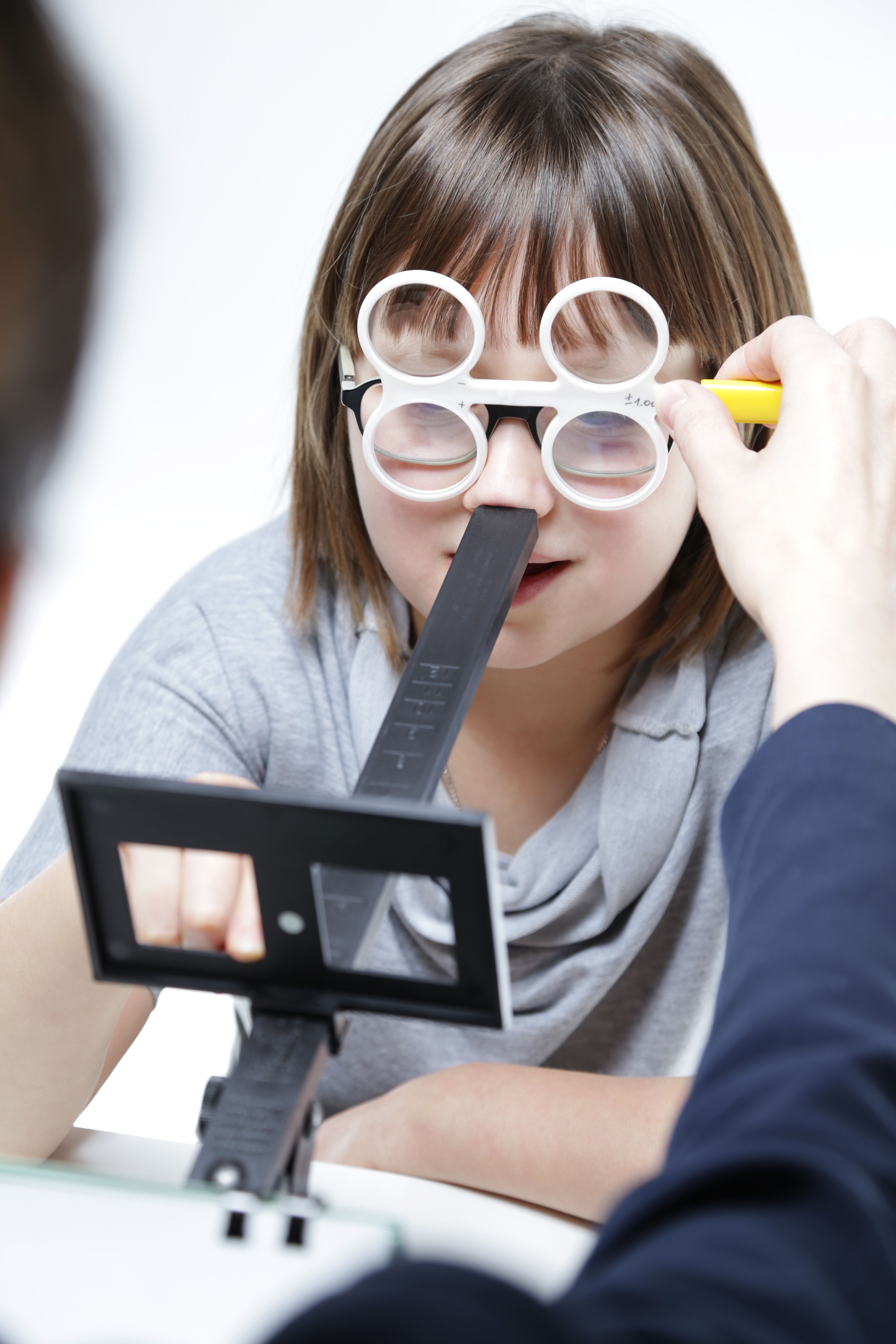
If you struggle with frequent headaches, eye strain, dizziness, or trouble focusing, the issue may not be your eyesight - but how your eyes work together. Binocular Vision Dysfunction (BVD) occurs when the eyes are misaligned or poorly coordinated, forcing the brain to compensate. Vision therapy is often recommended as a treatment, but many patients ask an important question: does vision therapy actually work for BVD?
Understanding Binocular Vision Dysfunction
Healthy binocular vision allows both eyes to align, focus, and move together smoothly. When this system is disrupted, even slightly, it can lead to symptoms that extend beyond the eyes. Patients with BVD often report chronic headaches, neck or shoulder tension, trouble concentrating, reading fatigue, motion sensitivity, or anxiety in visually demanding environments. Because these symptoms can overlap with other conditions, BVD is frequently undiagnosed or misunderstood.
What Is Vision Therapy?
Vision therapy is a structured, doctor-guided treatment program designed to improve how the eyes and brain work together. Unlike glasses or contact lenses, which correct vision clarity, vision therapy addresses functional visual skills, such as eye alignment, tracking, focusing, and coordination.
Each program is customized to the patient’s specific visual challenges and typically includes in-office therapy sessions combined with guided home exercises. Over time, these exercises help retrain the visual system, allowing the eyes to work together more efficiently and comfortably.
Does Vision Therapy Work for BVD?
Clinical experience and research show that vision therapy is one of the most effective non-invasive treatments for BVD. When the underlying cause of symptoms is related to poor eye coordination or alignment, vision therapy targets the root problem rather than simply masking symptoms.
Patients often experience gradual but meaningful improvements, including reduced headaches, improved reading stamina, better focus, decreased dizziness, and greater visual comfort during daily activities. Success depends on accurate diagnosis, patient commitment, and a personalized treatment plan - all of which are essential components of effective care.
Who Is a Good Candidate for Vision Therapy?
Vision therapy can benefit both children and adults diagnosed with BVD. Many adults are surprised to learn that visual coordination issues can develop or worsen over time, especially with increased screen use. Children struggling with reading, attention, or school performance may also have undetected binocular vision issues that respond well to therapy. A comprehensive binocular vision evaluation is the first step in determining whether vision therapy is appropriate.
How Long Does Vision Therapy Take?
Treatment length varies based on the severity of BVD and the individual’s response to therapy. Many patients begin noticing symptom improvement within weeks, while full treatment programs often last several months. Consistency and follow-through play a major role in long-term success.
Take the Next Step at Dry Eye Center of Alabama and Family Eye Care
By addressing the underlying visual coordination issues that cause discomfort and strain, vision therapy offers lasting relief and improved quality of life. When guided by experienced eye care professionals and tailored to the individual, vision therapy can be a powerful solution for binocular vision dysfunction.
If you or a loved one experience persistent headaches, eye strain, dizziness, or difficulty focusing, BVD may be the missing piece. Contact Dry Eye Center of Alabama and Family Eye Care to schedule a comprehensive binocular vision evaluation and find out if vision therapy is right for you. Visit our office in Homewood, Alabama, or call (205) 490-2322 today.


Our Services
Contact Info
Hours of Operation
- Monday 7:30 AM - 5:00 PM
- Tuesday 7:30 AM - 5:00 PM
- Wednesday 7:30 AM - 5:00 PM
- Thursday 7:30 AM - 5:00 PM
- Friday 7:30 AM - 12:00 PM
- Saturday Closed
- Sunday Closed
© 2026 Dry Eye Center of Alabama and Family Eye Care. All rights Reserved. Accessibility Statement - Privacy Policy - Sitemap
Powered by:
