


How to Care for Your Eyes After Meibomian Gland Probing

How to Care for Your Eyes After Meibomian Gland Probing

How to Care for Your Eyes After Meibomian Gland Probing

How to Care for Your Eyes After Meibomian Gland Probing

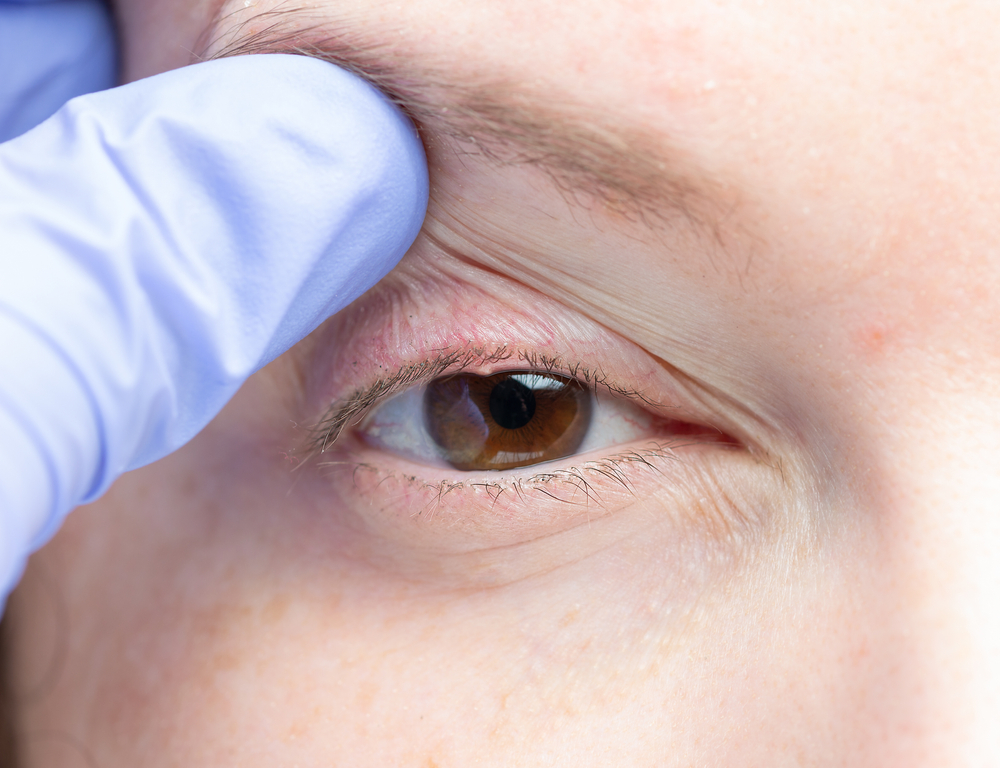
Meibomian gland probing is an effective treatment for patients with moderate to severe dry eye caused by meibomian gland dysfunction (MGD). By relieving blockages within the glands, this procedure helps restore healthy oil flow to the tear film and improve long-term comfort. Proper aftercare plays a key role in protecting your results and supporting healing.
What Is Meibomian Gland Probing?
Meibomian gland probing is an in-office dry eye treatment designed to relieve blocked or scarred meibomian glands, which are responsible for producing the oil layer of the tear film. During the procedure, a specially designed, sterile probe is gently inserted into the openings of the meibomian glands along the eyelids to clear obstructions and restore normal oil flow. By opening the glands at a structural level, meibomian gland probing helps reduce inflammation, improve tear stability, and address one of the root causes of meibomian gland dysfunction, providing longer-lasting relief for patients with chronic dry eye symptoms.
What to Expect After Meibomian Gland Probing
It is normal to experience mild symptoms following the procedure, especially within the first few days. Common post-treatment sensations may include:
Mild tenderness or soreness of the eyelids
Temporary redness or swelling
A gritty or scratchy feeling
Slight sensitivity to light
These effects typically improve within a short period as the eyelids heal and gland function begins to normalize.
Follow Your Doctor’s Instructions Carefully
Your eye doctor may prescribe specific medications or treatments to support recovery, such as:
Anti-inflammatory or antibiotic eye drops
Steroid drops for short-term inflammation control
Lubricating eye drops to maintain moisture
Use all prescribed medications exactly as directed and complete the full course unless instructed otherwise. Do not discontinue drops early, even if your symptoms improve.
Use Warm Compresses as Recommended
Warm compresses are often an essential part of post-procedure care. Heat helps keep oils flowing smoothly through the meibomian glands and prevents re-blockage.
Tips for effective warm compress use include:
Use a clean, warm (not hot) compress
Apply for 5–10 minutes at a time
Follow your provider’s recommended schedule
Consistency is key for long-term dry eye relief.
Avoid Rubbing or Touching Your Eyes
Your eyelids may feel sensitive after probing, but it is important to avoid rubbing or pressing on your eyes. Touching the eyelids can increase irritation and raise the risk of infection during healing.
If your eyes feel itchy or irritated, use preservative-free artificial tears instead of rubbing.
Limit Eye Makeup and Contact Lens Use
To reduce irritation and support healing:
Avoid eye makeup for several days or as directed
Discontinue contact lens wear until your doctor approves resuming use
Replace old makeup products to prevent bacterial contamination
These steps help keep the eyelids clean and reduce unnecessary inflammation.
Attend Follow-Up Appointments
Follow-up visits are important to monitor healing, evaluate gland function, and adjust your treatment plan if needed. Meibomian gland probing is often most effective when combined with ongoing dry eye management strategies.
Get Personalized Dry Eye Care
Meibomian gland probing can significantly improve dry eye symptoms, but proper aftercare is essential for long-term success. By following your doctor’s instructions, maintaining good eyelid hygiene, and protecting your eyes during recovery, you can support healing and maximize the benefits of your treatment.
Schedule a dry eye evaluation at Dry Eye Center of Alabama and Family Eye Care to learn if meibomian gland probing is right for you. Visit our office in Homewood, Alabama, or call (205) 490-2322 to book an appointment today.


Our Services
Contact Info
Hours of Operation
- Monday 7:30 AM - 5:00 PM
- Tuesday 7:30 AM - 5:00 PM
- Wednesday 7:30 AM - 5:00 PM
- Thursday 7:30 AM - 5:00 PM
- Friday 7:30 AM - 12:00 PM
- Saturday Closed
- Sunday Closed
© 2026 Dry Eye Center of Alabama and Family Eye Care. All rights Reserved. Accessibility Statement - Privacy Policy - Sitemap
Powered by:
