


Is IPL Therapy Safe and Effective for Dry Eye Syndrome?

Is IPL Therapy Safe and Effective for Dry Eye Syndrome?

Is IPL Therapy Safe and Effective for Dry Eye Syndrome?

Is IPL Therapy Safe and Effective for Dry Eye Syndrome?

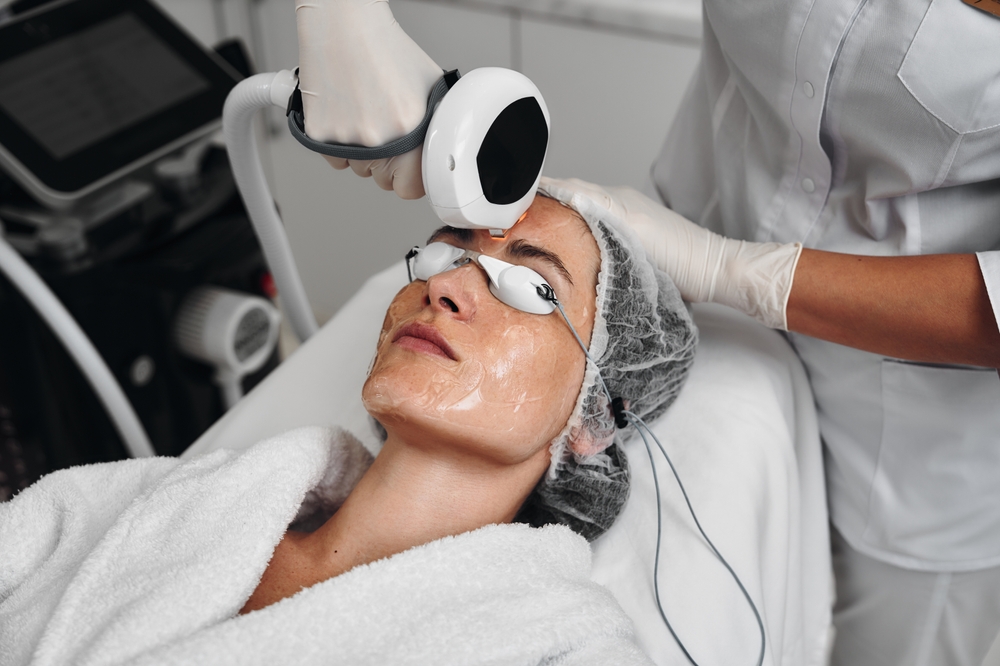
Dry eye syndrome is not always just about a lack of tears. In many cases, it is tied to inflammation and meibomian gland dysfunction, which affects the oily layer of the tear film. When that layer is unstable, tears evaporate too quickly and symptoms like burning, irritation, blurry vision, and redness can become more frequent. At Dry Eye Center of Alabama, we look closely at the cause of dry eye before recommending treatment. For many patients, IPL therapy can be a safe and effective option when symptoms are connected to gland dysfunction and inflammation. IPL stands for intense pulsed light. During treatment, controlled pulses of light are applied to the skin around the eyes to target inflammation and abnormal blood vessels that can contribute to dry eye symptoms. This process can also help improve meibomian gland function, which supports a healthier tear film. The goal is not to simply mask discomfort. It is to improve the quality of the tear film so your eyes stay more comfortable throughout the day. When IPL is performed by trained professionals and used on the right candidate, it is generally considered a safe treatment option. A careful evaluation is important because not every patient with dry eye is the same. Skin type, medical history, symptom pattern, and the condition of the eyelids all matter. Before moving forward, we evaluate whether IPL is appropriate for your needs. That helps us create a treatment plan that is both effective and responsible. IPL can be especially helpful for patients with evaporative dry eye related to meibomian gland dysfunction. Many people notice improvement in comfort, tear stability, and overall symptom control after a series of treatments. Some of the reasons patients consider IPL include: Results vary from person to person, which is why a customized approach matters. IPL is often recommended for patients who deal with ongoing dryness, irritation, fluctuating vision, or symptoms that have not improved enough with artificial tears alone. It may also be a strong option when rosacea or eyelid inflammation is playing a role. The best way to know whether IPL is right for you is through a dry eye evaluation. We take the time to identify what is driving your symptoms so we can recommend treatment with purpose. Dry eye treatment works best when it is based on the source of the problem, not just the symptoms. At our office, we use advanced dry eye care to help patients find relief with solutions that fit their condition and goals. IPL can be a valuable part of that plan when used for the right patient at the right time. If dry eye symptoms are affecting your comfort, contact Dry Eye Center of Alabama in Homewood, Alabama by calling (205) 490-2322.
How IPL Therapy Works
Is IPL Safe for Dry Eye Treatment?
What Makes IPL Effective for Many Patients?
Who May Be a Good Candidate?
A Personalized Plan Matters


Our Services
Contact Info
Hours of Operation
- Monday 7:30 AM - 5:00 PM
- Tuesday 7:30 AM - 5:00 PM
- Wednesday 7:30 AM - 5:00 PM
- Thursday 7:30 AM - 5:00 PM
- Friday 7:30 AM - 12:00 PM
- Saturday Closed
- Sunday Closed
© 2026 Dry Eye Center of Alabama and Family Eye Care. All rights Reserved. Accessibility Statement - Privacy Policy - Sitemap
Powered by:
