


Meibomian Gland Probing: What to Expect from the Procedure

Meibomian Gland Probing: What to Expect from the Procedure

Meibomian Gland Probing: What to Expect from the Procedure

Meibomian Gland Probing: What to Expect from the Procedure

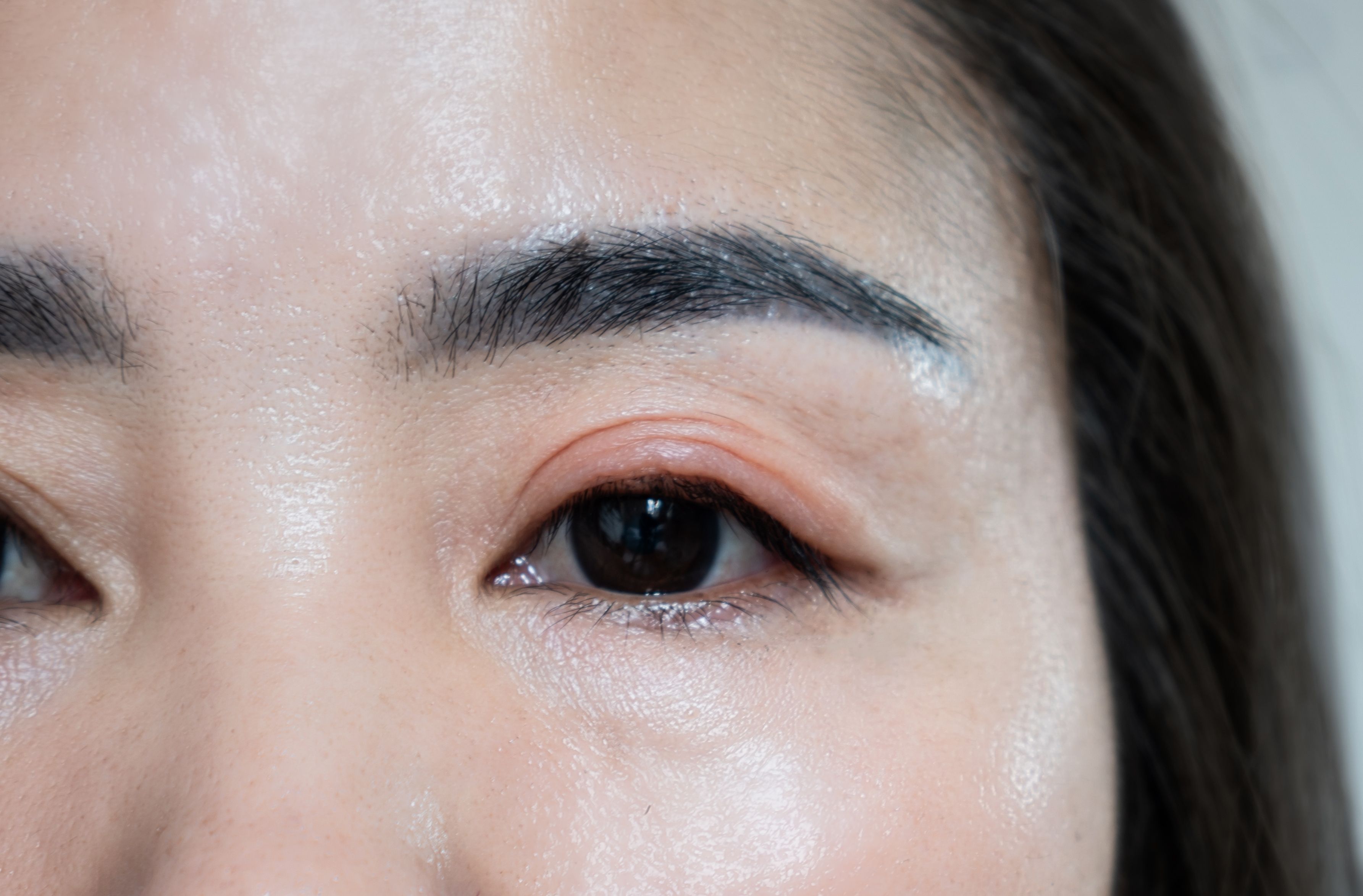
For many people living with chronic dry eye, symptoms such as burning, irritation, fluctuating vision, and eyelid tenderness can significantly affect daily life. One of the most common causes of these symptoms is meibomian gland dysfunction (MGD). At Dry Eye Center of Alabama and Family Eye Care, our dry eye specialists use advanced diagnostics and targeted treatments, including meibomian gland probing, to help patients find lasting relief.
What Is Meibomian Gland Probing?
Meibomian gland probing is a minimally invasive procedure that helps open blocked meibomian glands within the eyelids. During the treatment, a very fine, sterile probe is gently inserted into the natural openings of the glands to release obstructions and restore their function.
When glands become obstructed, internal pressure and inflammation can develop. Probing helps relieve that pressure and allows the glands to begin producing and releasing healthy oils again. This can improve tear stability and reduce many of the frustrating symptoms associated with evaporative dry eye.
For patients whose glands remain blocked despite traditional treatments like warm compresses or thermal therapies, probing can be an important step in restoring gland health.
Preparing for the Procedure
Before the probing procedure begins, the eye doctor focuses on ensuring that the eyelids are thoroughly numbed so patients remain comfortable throughout the treatment.
The preparation typically begins with anesthetic eye drops to reduce sensation on the surface of the eye. A protective bandage contact lens may also be placed to shield the cornea. The patient is then positioned comfortably in a slightly reclined chair.
Next, a specially formulated numbing ointment is applied along the upper and lower eyelids to coat the treatment area. After allowing time for the medication to take effect, an additional layer of the ointment may be applied for enhanced comfort.
Some patients notice a brief warming or stinging sensation when the ointment is first placed, but this feeling usually fades quickly. If needed, additional anesthetic drops can be used to ensure the eyelids remain fully numb. With this careful preparation process, most patients experience little to no discomfort during the procedure.
What Happens During the Procedure
Once the eyelids are fully numbed, the doctor carefully inserts a microscopic probe into the opening of each affected gland along the eyelid margin.
As the probe moves through the gland channel, it releases blockages that may have formed due to inflammation, thickened oils, or scar tissue. Many patients feel a mild sensation of pressure, but the numbing medications help ensure the process remains comfortable. By restoring the natural pathway of the gland, the treatment helps the glands begin functioning more normally again.
Recovery and What to Expect After Treatment
One of the advantages of meibomian gland probing is that recovery is typically very quick. When performed by an experienced doctor, the procedure is considered safe and effective, and there is generally no downtime required. Most patients are able to return to their normal activities right away and many even drive themselves to and from the appointment.
Patients who previously experienced tenderness along the eyelids may notice relief soon after treatment. Others may see gradual improvements over the following weeks or months as the glands recover and begin producing healthier oils.
Every patient’s response can be different, but the goal of the procedure is to restore gland function and improve tear film stability over time.
Discover If Meibomian Gland Probing Is Right for You
Chronic dry eye caused by blocked meibomian glands can be frustrating, but advanced treatments are available to help restore comfort and improve eye health. Meibomian gland probing targets the root cause of gland obstruction, helping reopen blocked glands and promote healthier tear production.
Schedule your consultation at Dry Eye Center of Alabama and Family Eye Care to learn whether meibomian gland probing could be the right solution for your dry eye symptoms. Visit our office in Homewood, Alabama, or call (205) 490-2322 to book an appointment today.


Our Services
Contact Info
Hours of Operation
- Monday 7:30 AM - 5:00 PM
- Tuesday 7:30 AM - 5:00 PM
- Wednesday 7:30 AM - 5:00 PM
- Thursday 7:30 AM - 5:00 PM
- Friday 7:30 AM - 12:00 PM
- Saturday Closed
- Sunday Closed
© 2026 Dry Eye Center of Alabama and Family Eye Care. All rights Reserved. Accessibility Statement - Privacy Policy - Sitemap
Powered by:
