


Watery Eyes in the Alabama Heat? The Paradoxical Biology of Mid-Summer Evaporative Dry Eye

Watery Eyes in the Alabama Heat? The Paradoxical Biology of Mid-Summer Evaporative Dry Eye

Watery Eyes in the Alabama Heat? The Paradoxical Biology of Mid-Summer Evaporative Dry Eye

Watery Eyes in the Alabama Heat? The Paradoxical Biology of Mid-Summer Evaporative Dry Eye

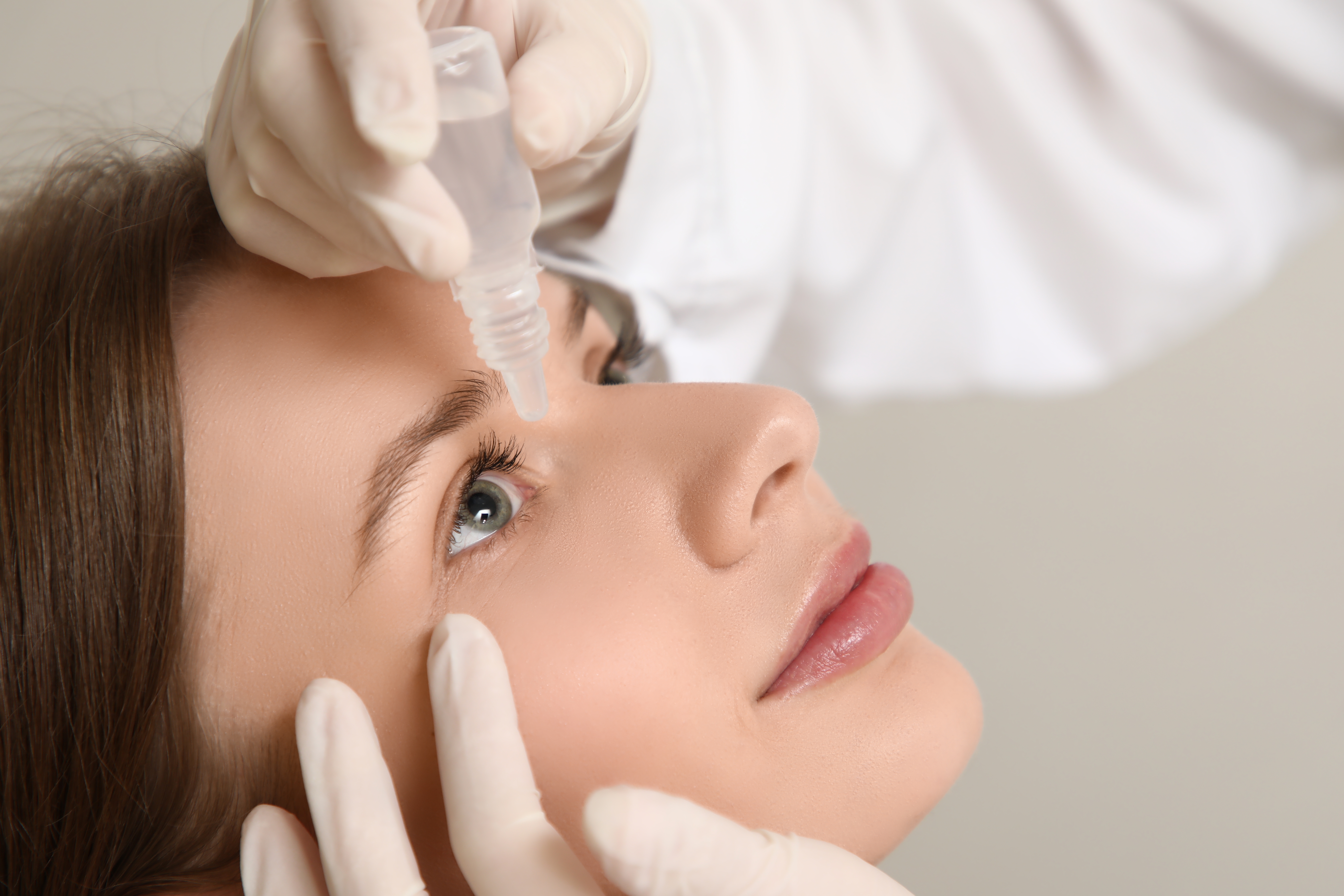
Watery eyes can seem like the opposite of dry eye, but the two often go together. During Alabama’s mid-summer heat, many patients notice burning, stinging, redness, blurry vision, and excessive tearing. If your eyes keep watering but still feel dry or irritated, evaporative dry eye may be part of the problem.
At Dry Eye Center of Alabama and Family Eye Care in Vestavia, we help patients understand why their symptoms are happening and which treatment options may support better comfort.
Why Watery Eyes Can Mean Dry Eye
A healthy tear film has several layers that work together to keep the eye surface smooth and protected. The watery layer provides moisture, while the oily layer helps slow evaporation. When that oily layer is weak, tears can evaporate too quickly.
As the eye surface becomes irritated, the body may respond by producing reflex tears. These tears can make the eyes water, but they often do not have the right balance to keep the eyes comfortable. That is why your eyes can feel dry and watery at the same time.
How Alabama Heat Triggers Evaporative Dry Eye
Summer heat can speed up tear evaporation, especially when paired with wind, pollen, dust, sunscreen, sweat, and outdoor allergens. Air conditioning can also make symptoms worse by drying the air indoors, in cars, and at work.
For patients in Vestavia, Birmingham, Homewood, and surrounding areas, dry eye symptoms may flare during commutes, outdoor activities, screen use, or long days moving between hot outdoor air and cold indoor air.
The Role Of Meibomian Gland Dysfunction
Evaporative dry eye is commonly linked to meibomian gland dysfunction, also called MGD. These glands sit along the eyelids and produce the oil that helps stabilize the tear film. When the glands become blocked or do not produce healthy oil, tears evaporate too quickly.
MGD can cause burning, fluctuating vision, heavy eyelids, light sensitivity, and contact lens discomfort. It can also make artificial tears feel like they help briefly, only for symptoms to return soon after.
Signs Your Watery Eyes Need A Dry Eye Evaluation
Occasional irritation may improve with simple changes, but ongoing symptoms should be checked. Schedule an evaluation if you notice:
- Watery eyes that still feel dry or gritty
- Burning, stinging, or scratchy eyes
- Blurry vision that improves after blinking
- Redness or irritation in air conditioning
- Contact lens discomfort
- Light sensitivity outdoors
- Eyelids that feel heavy or inflamed
- Frequent need for artificial tears
These symptoms may be related to evaporative dry eye, allergies, blepharitis, MGD, or another eye health concern.
Why Drops Alone May Not Be Enough
Artificial tears can add temporary moisture, but they may not correct the underlying oil gland problem. If tears evaporate too quickly, adding more moisture may only provide short-term relief.
A dry eye evaluation can help identify whether the tear film is unstable, whether the eyelid glands are blocked, and whether inflammation is contributing to symptoms. Once the cause is better understood, treatment can be more targeted.
Advanced Treatment Options For Dry Eye
Dry eye treatment depends on the cause and severity of symptoms. Some patients may benefit from at-home care, prescription therapies, eyelid hygiene, or changes to contact lens wear. Others may need advanced in-office options.
At Dry Eye Center of Alabama and Family Eye Care, dry eye care may include treatments such as LipiFlow and IPL. These options are designed to address underlying contributors to dry eye, especially when meibomian gland dysfunction or inflammation is involved.
Managing Mid-Summer Flare-Ups
You can reduce summer irritation by wearing wraparound sunglasses outdoors, avoiding direct airflow from vents, staying hydrated, taking screen breaks, and using preservative-free artificial tears if recommended. Avoid rubbing your eyes, especially during allergy season, because this can worsen inflammation.
If symptoms keep returning, it is time to stop guessing. A personalized dry eye plan can help you manage flare-ups more effectively during Alabama’s hottest months.
To schedule a dry eye evaluation, contact Dry Eye Center of Alabama and Family Eye Care in Vestavia, AL at 3975 Asbury Road, Vestavia, AL 35243, or call (205) 490-2322.


Our Services
Contact Info
Hours of Operation
- Monday 7:30 AM - 5:00 PM
- Tuesday 7:30 AM - 5:00 PM
- Wednesday 7:30 AM - 5:00 PM
- Thursday 7:30 AM - 5:00 PM
- Friday 7:30 AM - 12:00 PM
- Saturday Closed
- Sunday Closed
© 2026 Dry Eye Center of Alabama and Family Eye Care. All rights Reserved. Accessibility Statement - Privacy Policy - Sitemap
Powered by:
